Evaluating Wedding Name Place Card Mockup PSD PNG Templates
In the realm of wedding stationery design, presentation is often as critical as the design itself. For graphic designers, printers, and couples planning their own events, the ability to visualize a final product before production begins is invaluable. This is where a Wedding Name Place Card Mockup PSD PNG becomes an essential tool. These digital assets allow users to superimpose their custom designs onto realistic photographic backgrounds, providing a clear preview of how text, typography, and paper textures will appear in a real-world setting. Understanding the utility, limitations, and technical requirements of these files is key to determining if they align with your specific project goals.
Understanding the Digital Asset
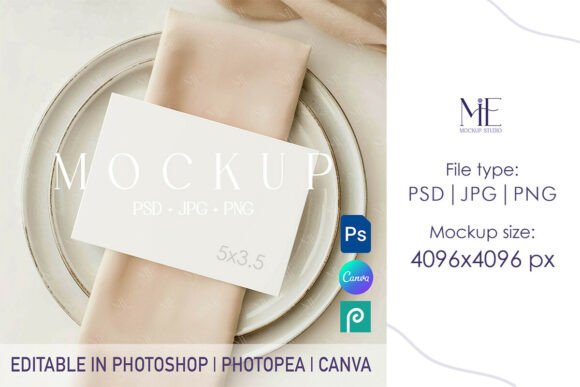
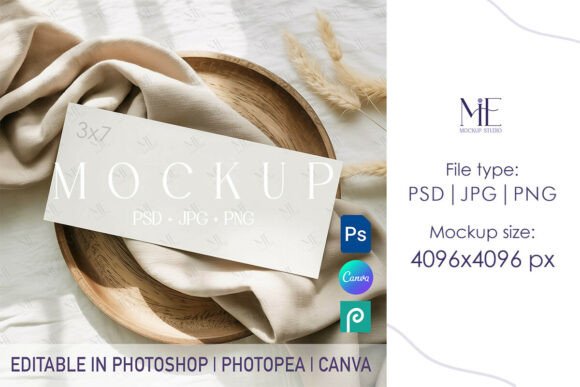
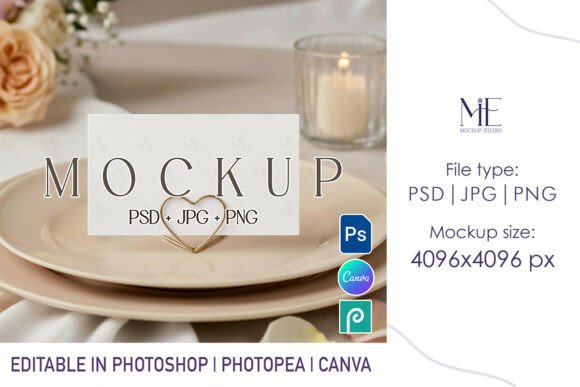
A Wedding Name Place Card Mockup PSD PNG is essentially a composite file designed for use in Adobe Photoshop. The "PSD" format indicates that the file contains layers, specifically utilizing "Smart Objects." This technology allows a user to double-click a specific layer, paste their own artwork, and have it automatically warped, shaded, and textured to match the underlying photograph. The accompanying "PNG" reference often relates to the output format or the inclusion of transparent background options, though the primary working file is the layered PSD.
These mockups typically feature high-resolution imagery, such as the 4096x4096 pixel files mentioned in many premium templates. This resolution ensures that the final showcase images remain crisp even when viewed on high-density displays or printed in portfolios. The standard dimensions for these templates usually accommodate common place card sizes, such as the 3.5x2 inch fold, which is a ubiquitous standard in the wedding industry. By using these templates, creators can bypass the need for expensive photography setups, lighting equipment, and physical props to demonstrate their work.
Why Designers and Planners Choose Mockups
The primary driver for utilizing a Wedding Place Card Mockup PSD PNG is efficiency combined with realism. For professional stationery designers, the ability to instantly generate a portfolio-ready image is crucial for marketing services on platforms like Etsy, Instagram, or personal websites. Instead of printing a prototype, staging a photoshoot, and editing the results—a process that can take hours—a designer can achieve a similar visual fidelity in minutes.
Furthermore, these tools serve a practical function in the client approval process. When a couple is selecting their wedding details, seeing a flat digital proof on a screen can sometimes fail to convey the tactile quality of the paper or the elegance of the layout. A realistic mockup placed within a context, such as a Valentine Table Name Card Template setup or a formal dining arrangement, helps clients visualize the ambiance. It bridges the gap between a conceptual idea and the physical reality, reducing the likelihood of misunderstandings regarding font size, color contrast, or overall aesthetic.
Benefits and Technical Considerations
The advantages of using editable Smart Object layers are significant. The most notable benefit is the preservation of design integrity. When a design is inserted into a well-constructed mockup, the software automatically applies perspective distortion, shadows, and highlights. This creates a seamless integration that looks authentic rather than pasted on. Additionally, because these are digital downloads, there are no shipping costs or wait times; access is immediate upon purchase, allowing for rapid iteration during the design phase.
However, there are tradeoffs and technical prerequisites to consider. The most obvious requirement is access to Adobe Photoshop. Users without this specific software cannot utilize PSD files with Smart Objects. While alternative software exists, they often lack full compatibility with complex layer styles and smart object functionalities, potentially leading to rendering errors. Furthermore, while the mockup provides a realistic base, the quality of the final image still depends on the quality of the source design. If the inserted artwork is low resolution, the high-resolution background of the mockup will not compensate for the pixelation of the foreground element.
Ideal Use Cases
Situations where a Seating Cards Mock-up is a strong fit include professional portfolios, online store listings, and social media marketing. If you are selling digital invitations or custom stationery, these mockups act as vital sales collateral. They allow potential buyers to see the product in situ, which can significantly increase conversion rates. They are also highly effective for wedding planners creating mood boards. By inserting different font styles or color palettes into the same mockup scene, planners can quickly compare options and present cohesive visual concepts to their clients without committing to a print run.
Another strong application is for testing legibility. A designer can use the mockup to verify if a specific script font remains readable against a textured paper background under simulated lighting conditions. This pre-production check can save money by preventing costly printing errors.
When to Consider Alternatives
Despite their utility, these digital tools are not always the best solution. If the goal is to verify the actual physical weight, thickness, or precise color matching (Pantone vs. CMYK) of the paper stock, a digital mockup is insufficient. Screens vary in calibration, and a digital shadow cannot replicate the tactile feel of embossing or foil stamping. In these instances, ordering a physical sample or conducting a test print is necessary.
Additionally, if a project requires a highly unique or unconventional setting that does not exist in current template libraries, relying solely on stock mockups may limit creativity. For example, if a wedding theme involves a specific, rare location or unusual prop arrangement, a custom photoshoot might yield more authentic results than trying to force a design into a generic template. Moreover, for users who only need a simple flat lay without shadows or perspective, a basic PNG export from their design software might be faster and more appropriate than navigating complex PSD layers.
Making the Decision
Deciding whether to invest in a Wedding Name Place Card Mockup PSD PNG ultimately depends on your workflow and end goals. If you require high-quality visualizations for marketing, client presentations, or portfolio development and possess the necessary software, these templates offer an unparalleled return on investment regarding time and cost. They provide a professional polish that elevates perceived value.
Conversely, if your needs are strictly limited to internal proofing of color accuracy or if you lack access to compatible editing software, the utility diminishes. It is also important to review the specific license terms of any template purchased. While most allow for commercial use in showcasing your own designs, restrictions may apply regarding reselling the mockup file itself. By weighing the need for visual realism against technical capabilities and physical verification requirements, you can determine if this digital tool is the right fit for your wedding stationery projects.