Evaluating the DIY Business Card Template for Professional Branding
In the current professional landscape, physical and digital networking tools remain essential for establishing credibility. For many entrepreneurs, freelancers, and small business owners, the DIY Business Card Template has emerged as a practical solution for creating high-quality branding materials without the expense of hiring a graphic designer. This approach leverages user-friendly design platforms to produce cards that are both functional and aesthetically pleasing. Understanding the capabilities, limitations, and ideal use cases of these templates is crucial for anyone deciding how to invest their time and resources into their brand identity.
What Is a DIY Business Card Template?
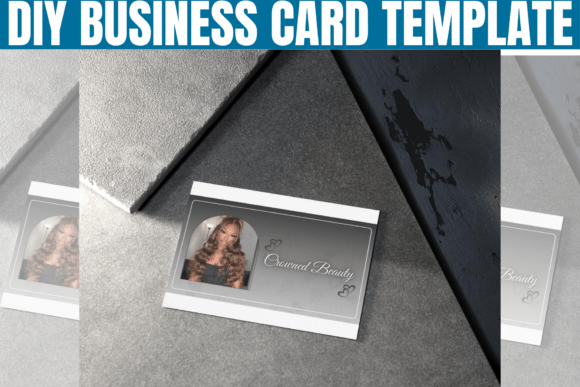
A DIY Business Card Template is a pre-designed layout available on digital design platforms, such as Canva, that allows users to customize text, colors, images, and graphics directly in a web browser. Unlike traditional design files that require specialized software like Adobe Illustrator or Photoshop, these templates are built for accessibility. They typically come with locked structural elements to maintain design integrity while leaving specific layers editable for the user.
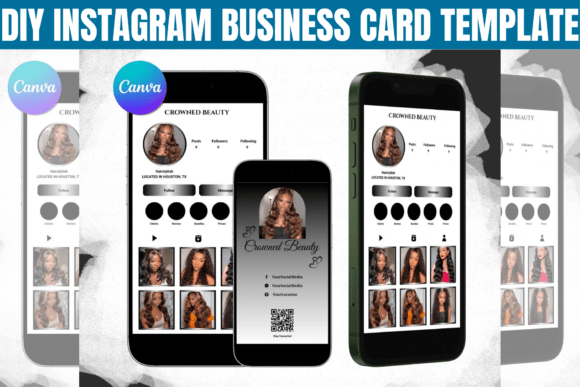
The core value proposition of a DIY Canva Business Card Template lies in its balance between professional structure and creative freedom. Users can input their contact information, upload logos, and adjust color palettes to match their existing brand guidelines. Furthermore, modern templates often include integration points for digital features, such as QR Code Business Card functionality, bridging the gap between physical print and online portfolios or contact lists.
Key Benefits of Using Editable Templates
For individuals evaluating their options for business card production, the advantages of using a template system are significant, particularly regarding efficiency and cost.
- Cost Efficiency: Hiring a professional designer can be prohibitively expensive for startups or solo practitioners. A template reduces this cost to a fraction of the price, often requiring only a subscription to a design platform or a one-time purchase of the template file.
- Speed of Deployment: Traditional design workflows involve back-and-forth communication, drafts, and revisions. With an Editable Business Card Template, the timeline shrinks from weeks to hours. Users can finalize a design and send it to print immediately.
- Ease of Updates: Business details change. Phone numbers, job titles, and social media handles may need updating. A template allows for unlimited edits, meaning you can reuse the file for different team members or update your own card as your role evolves without starting from scratch.
- Professional Aesthetics: High-quality templates are designed by professionals who understand typography, whitespace, and hierarchy. This ensures that even users with no design experience can produce a Sleek Professional result that builds credibility.
Ideal Use Cases and Target Audiences
While versatile, the DIY Business Card Template is not a one-size-fits-all solution. It is particularly well-suited for specific industries and professional stages where agility and visual polish are required but budget constraints exist.
Real Estate Agents and Realtors: These professionals frequently network and require cards that convey trust and sophistication. A template allows them to easily swap property photos or update contact details for different listings while maintaining a consistent brand look.
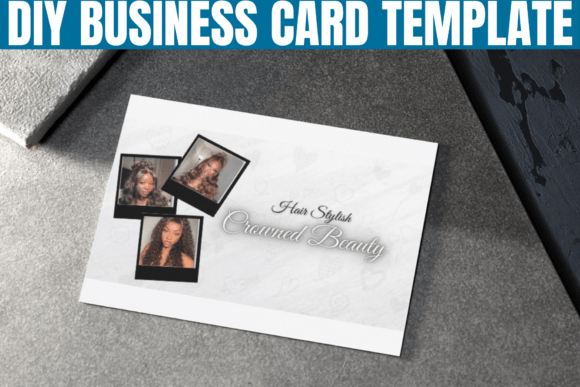
Creatives and Hair Stylists: Visual portfolios are critical in these fields. Templates that support high-resolution image placeholders allow stylists and artists to showcase their work directly on the card. The ability to add a QR code linking to an Instagram feed or online gallery adds significant value.
Consultants and Coaches: For those selling expertise, a clean, minimalist card design helps focus attention on contact information and credentials. The structured layout of a professional template prevents clutter, ensuring the message remains clear.
Small Business Owners: Entrepreneurs wearing multiple hats benefit from the time saved by not managing a design project. The ability to order prints directly or download print-ready PDFs streamlines the operational side of marketing.
Tradeoffs and Considerations
Despite the clear benefits, there are tradeoffs to consider when choosing a template over a custom design or other alternatives. An objective evaluation requires looking at potential limitations.
Lack of Unique Identity
Because templates are sold to multiple users, there is a possibility that another business in your niche may use a similar layout. While customization of colors and fonts mitigates this, the underlying structure remains the same. For brands aiming for a highly distinctive, avant-garde, or completely unique visual identity, a template may feel too generic.
Platform Dependency
Most DIY Canva Business Card Templates require an account on the host platform to edit. If the platform changes its interface, pricing model, or shuts down, accessing your source files could become complicated. It is essential to download final high-resolution files (PDF, JPG, PNG) for archival purposes rather than relying solely on the cloud editor.
Print Quality Variables
The design file is only half the equation; the physical output depends on the printer. Users must ensure they export files with the correct bleed lines, color profiles (CMYK vs. RGB), and resolution (300 DPI). A beautiful on-screen design can result in a poor physical card if export settings are misunderstood. Most professional templates include guides, but the responsibility for correct export lies with the user.
When to Consider Alternatives
There are scenarios where a DIY Business Card Template may not be the optimal choice. Recognizing these situations helps in making a sound decision.
If your brand relies heavily on complex illustration, custom typography, or intricate die-cut shapes that deviate from standard rectangular sizes, a standard template will likely be insufficient. In these cases, working with a graphic designer who can create vector files from scratch is a better investment.
Additionally, large corporations with strict brand governance often require custom assets that adhere to specific legal and style guidelines that off-the-shelf templates cannot accommodate. Similarly, if a business needs hundreds of variations of a card for different regions or languages, a database-driven design solution or a dedicated design team might offer more scalability than manual template editing.
Making the Decision: Practical Insights
When deciding whether to proceed with a DIY Business Card Template, evaluate your current priorities against the following criteria:
- Budget Constraints: If keeping overhead low is a priority, templates offer the highest return on investment.
- Timeline: If you need cards for an upcoming event within days, the speed of a template is unmatched.
- Tech Comfort: If you are comfortable navigating web-based editors and following export instructions, the learning curve is minimal.
- Brand Stage: For new businesses testing their market fit, templates allow for inexpensive iteration. You can change your card design as your brand evolves without wasting money on obsolete custom designs.
Incorporating features like a QR Code Business Card element into a template is a strategic move for modern networking. It allows you to direct clients to dynamic content—such as a digital vCard, a booking calendar, or a video introduction—without reprinting physical cards when links change. This hybrid approach maximizes the utility of the physical card.
Conclusion
The DIY Business Card Template represents a pragmatic intersection of quality, affordability, and convenience. For professionals, entrepreneurs, and creatives who need to establish a polished presence quickly, these templates provide a robust foundation. By offering Quick Sophisticated Customization, they empower users to take control of their branding without needing technical design skills.
However, success depends on selecting a template that aligns with your brand's tone and understanding the technical requirements for printing. When used correctly, an Elegant DIY Business Card Template is not just a cost-saving measure; it is a strategic tool that facilitates connection and professionalism in a competitive market. Whether for a real estate agent needing a reliable standard or a stylist showcasing visual work, the flexibility of these tools makes them a strong candidate for most small-to-medium business branding needs.